
Chat with us
Design systems

Interfaces engineered to feel inevitable.

User research, wireframing, design systems, and prototyping — built so every screen your customer touches feels considered, confident, and unmistakably yours.

47% Avg. task-success lift
3.1× Faster design handoff
100% Component-based systems
21d First testable prototype
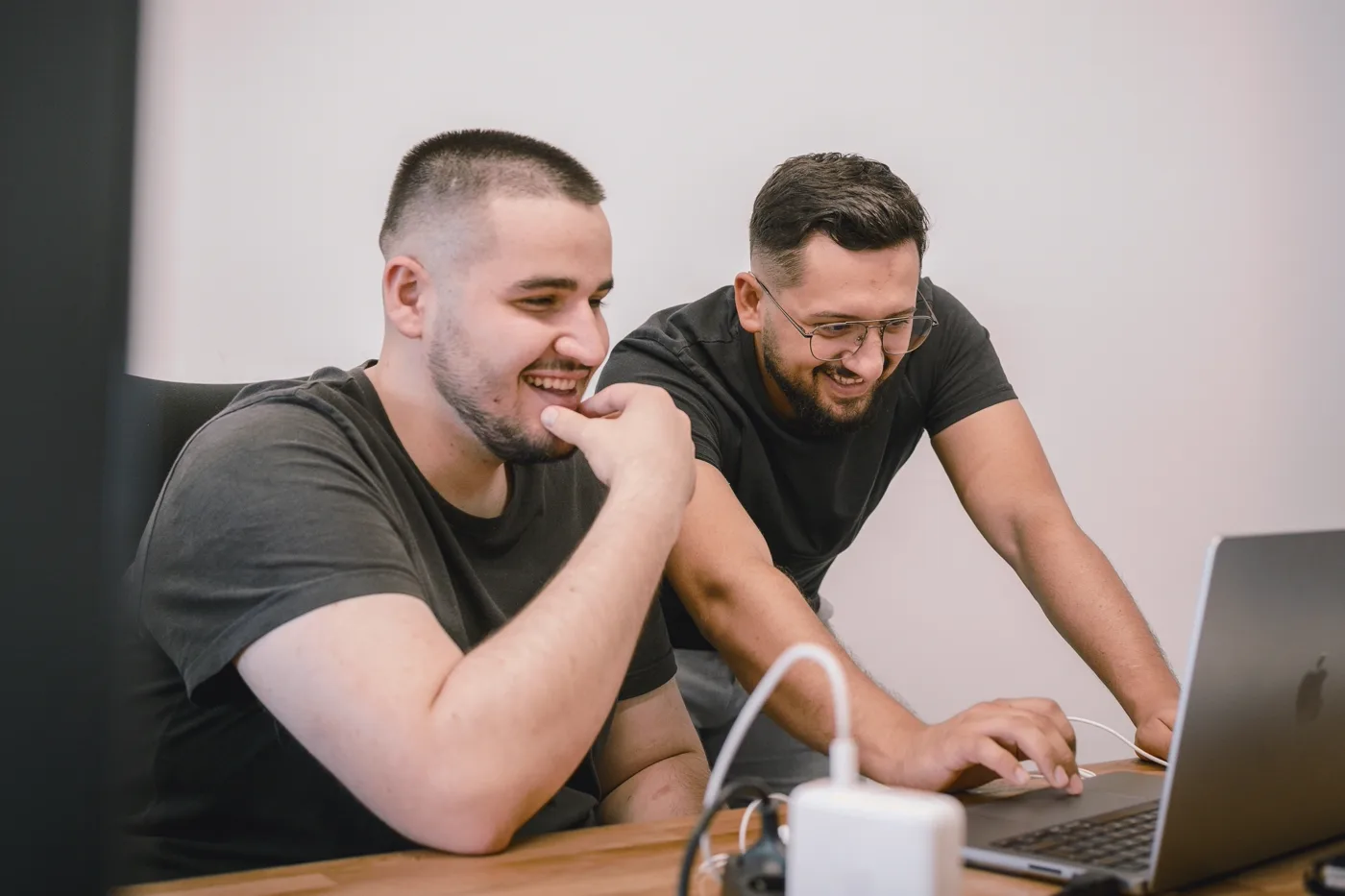
Designer pointing at a laptop screen while walking a colleague through an interface design
01 — Research

We design from evidence, not opinion.

Before a single pixel moves, we sit with your users. Interviews, behavioral analytics, and competitive audits surface the friction that's actually costing you conversions — not the friction someone assumes exists.

  • Stakeholder & user interviews
  • Journey mapping & friction audits
  • Competitive & heuristic analysis
  • Research synthesis into design principles

Start with research
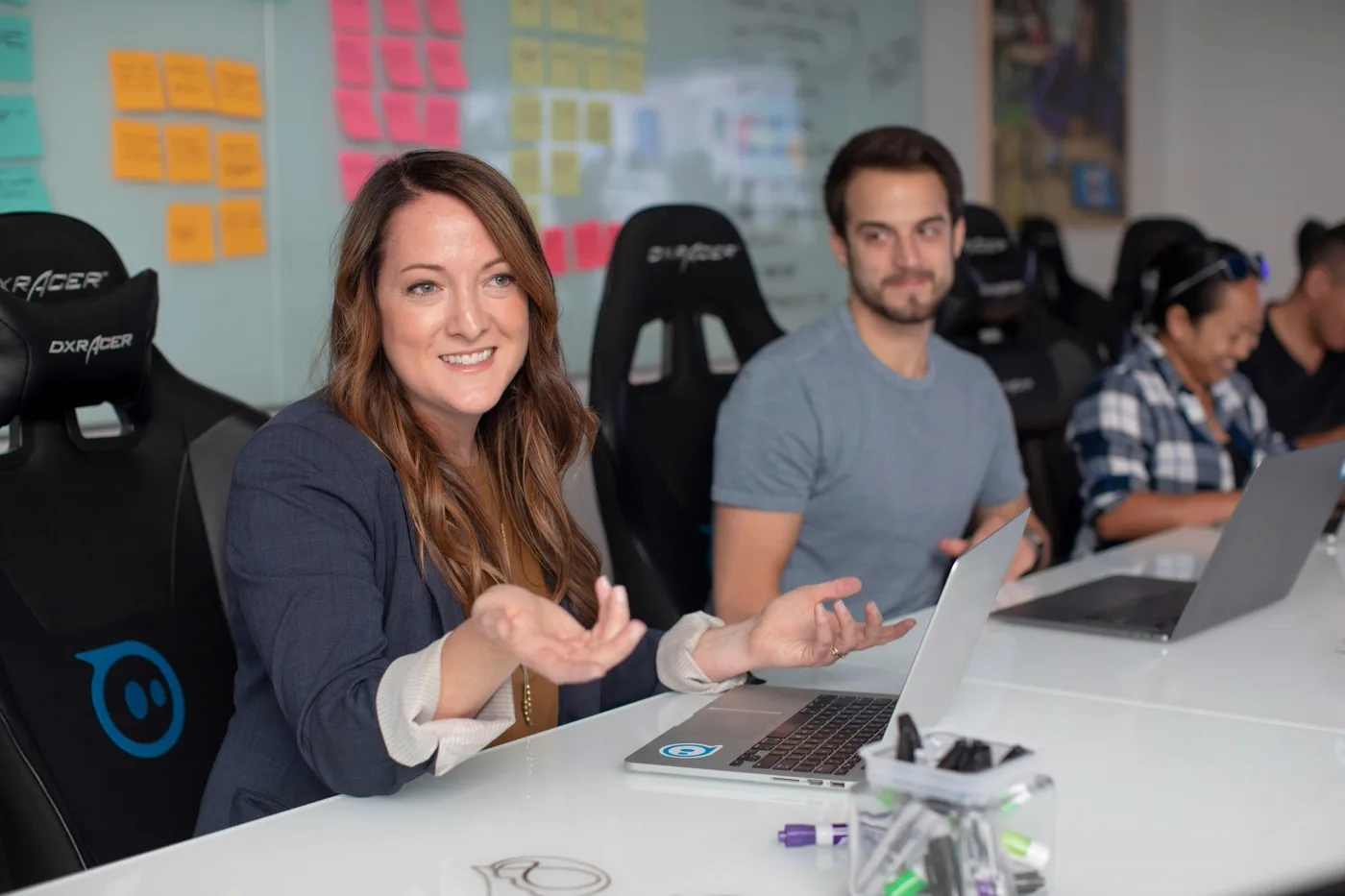
Diverse design team collaborating around a laptop, mapping out information architecture
02 — Wireframing & IA

Structure first. Polish second.

We map information architecture and low-fidelity wireframes before visual design begins — so navigation, hierarchy, and flow are validated while changes are still cheap.

  • Sitemaps & content hierarchies
  • Low-fidelity wireframe flows
  • Card sorting & navigation testing
  • Responsive layout logic from day one
Map my flows
Two designers collaborating over a tablet, reviewing a high-fidelity interface prototype
03 — Design systems

One language. Every screen.

We build component libraries and design tokens so your product looks and behaves consistently across every screen, platform, and future feature — no more one-off buttons and drifting spacing.

  • Design tokens & component libraries
  • Figma / Framer design systems
  • Accessibility-first color & type scales
  • Documentation your team can extend
Build my design system
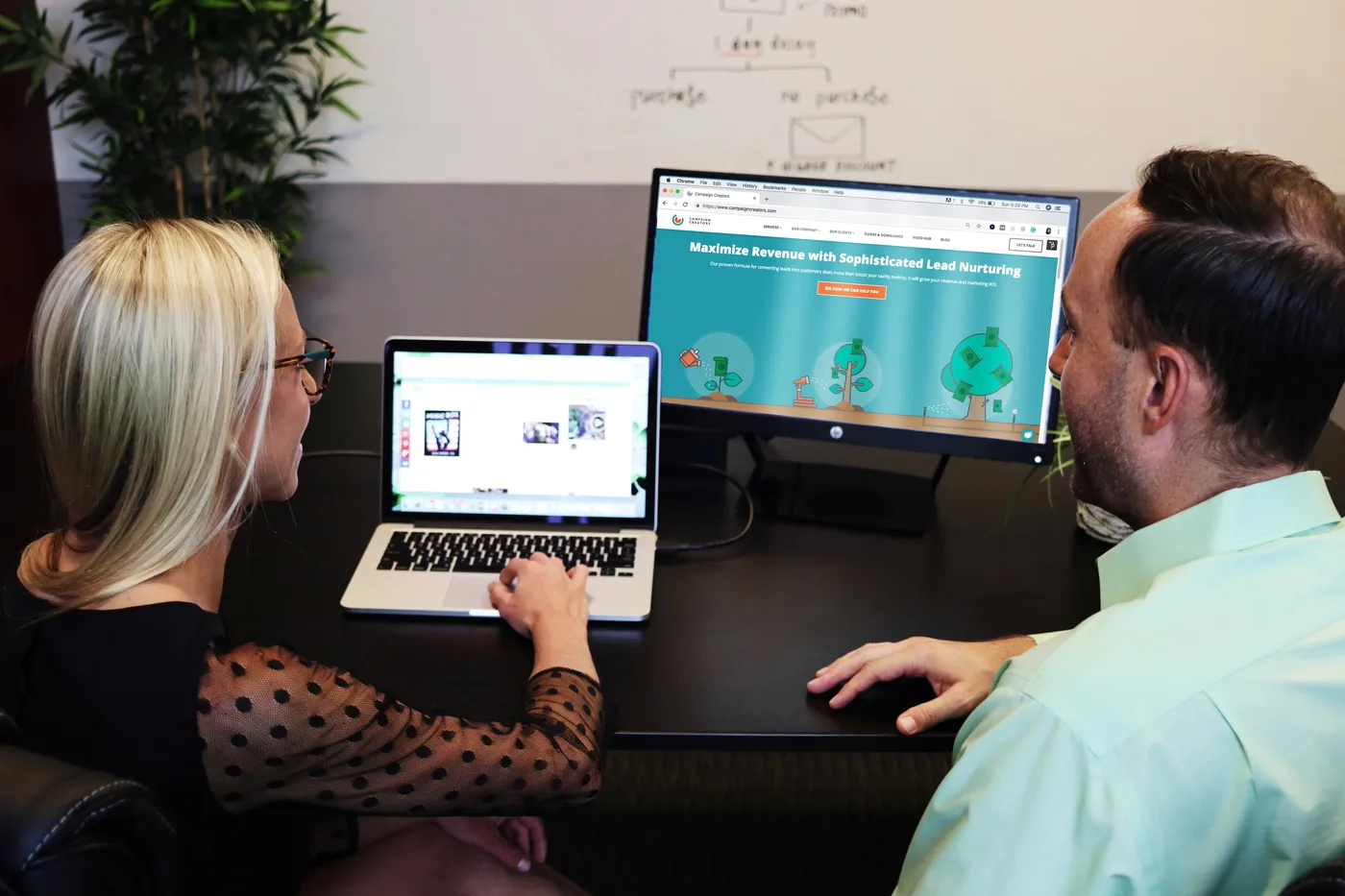
Designer and teammate seated together reviewing a usability testing session on screen
04 — High-fidelity prototyping

Click it before you build it.

Interactive, pixel-perfect prototypes let stakeholders and users experience the product before a single line of code is written — catching costly missteps while they're still a design fix.

  • Interactive click-through prototypes
  • Micro-interaction & motion design
  • Brand-consistent visual craft
  • Stakeholder review cycles built in
Prototype my product
Designer and client seated together at a laptop during a usability testing and feedback session
05 — Usability testing

We test with real people, not assumptions.

Moderated sessions, task-based testing, and iterative refinement — so the interface that ships has already survived contact with actual users, not just an internal review meeting.

  • Moderated & unmoderated test sessions
  • Task success & time-on-task metrics
  • Rapid iteration between test rounds
  • Findings translated into design fixes
Test my interface
Designer presenting a design system and handoff documentation to a client at a desk
06 — Handoff & collaboration

Design that ships, exactly as designed.

Clean developer handoff — specs, redlines, and component documentation — so what your engineers build matches what was designed, with none of the back-and-forth that erodes polish.

  • Dev-ready specs & redlines
  • Component documentation in Figma
  • QA passes against design intent
  • Ongoing design support through launch
Plan my handoff
Capabilities

Six disciplines of a design-led product.

Each engagement is scoped to the product in front of us — a full end-to-end design system, or focused support inside a team that already ships.

User research

Interviews, analytics, and journey mapping that ground every design decision in real behavior.

Wireframing & IA

Structure and flow validated early — before visual design locks in decisions that are costly to undo.

Design systems

Component libraries and tokens that keep your product consistent as it scales across teams and screens.

Prototyping

Interactive, high-fidelity prototypes that let stakeholders click through before a build begins.

Usability testing

Task-based sessions with real users, iterated quickly so the shipped product actually works.

Dev handoff

Specs, redlines, and documentation that keep design intent intact all the way into production.

Engagement path

From research to a shipped, tested interface.

A clear four-step path — research grounds the work, structure comes before polish, and testing runs continuously through the build.

Discover

User research, stakeholder interviews, and a ranked map of the friction worth solving first.

Structure

Information architecture and wireframe flows validated before visual design begins.

Design

Design system and high-fidelity prototypes built in focused, reviewable sprints.

Validate

Usability testing, iteration, and a clean handoff so what ships matches what was designed.

FAQ

Straight answers for operators.

Do you design from scratch or redesign an existing product?

Both. Some engagements start with a blank canvas and user research; others begin with an audit of what's already live and a focused redesign of the parts that are actually losing conversions or users.

What tools do you design in?

Figma is our primary environment for design systems and prototyping, with Framer where interactive, code-adjacent prototypes serve the project better. We hand off in whatever format your engineering team works in.

Do you conduct usability testing yourselves?

Yes — moderated and unmoderated sessions are part of the core process, not an optional add-on. We recruit, run, and synthesize findings, then translate them directly into design iterations.

Will this fit inside our existing brand guidelines?

That's the point of a design system — every screen, component, and flow we design stays inside your brand's visual language, so the product feels like one coherent experience, not a bolt-on.

Can this connect to SHUMAIL TECH's development teams?

Absolutely. Design, web development, app development, and custom software share one operator under Digital Transformation — so design intent survives all the way into a shipped product.

Free strategy call

Ready for a product that feels as good as it looks?

Thirty minutes. Product/UX audit, opportunity map, and a clear path — no pitch theater.